
 GET A QUOTE
Let’s find
your container.
Tell us what you need. We’ll be in touch.
This form cannot send an enquiry. Please do not enter personal details. Call 1300 789 543.
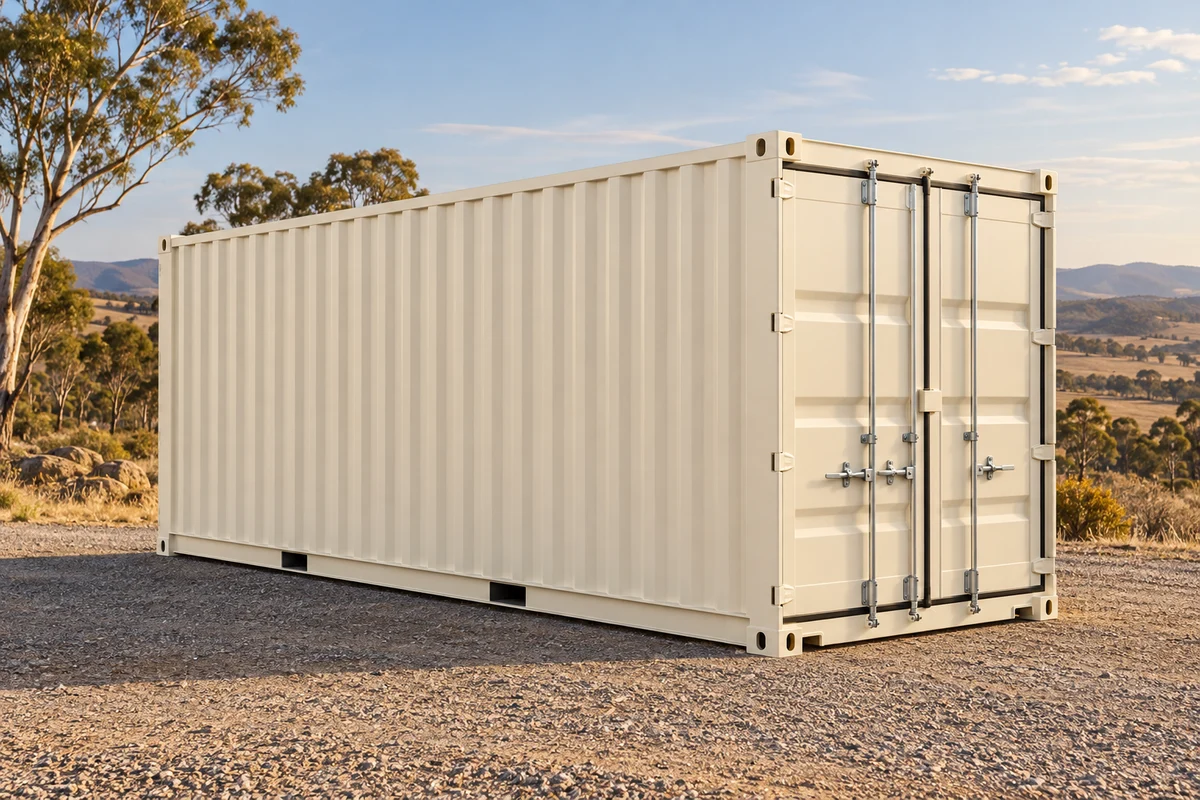
Start with the job.
Then the container.
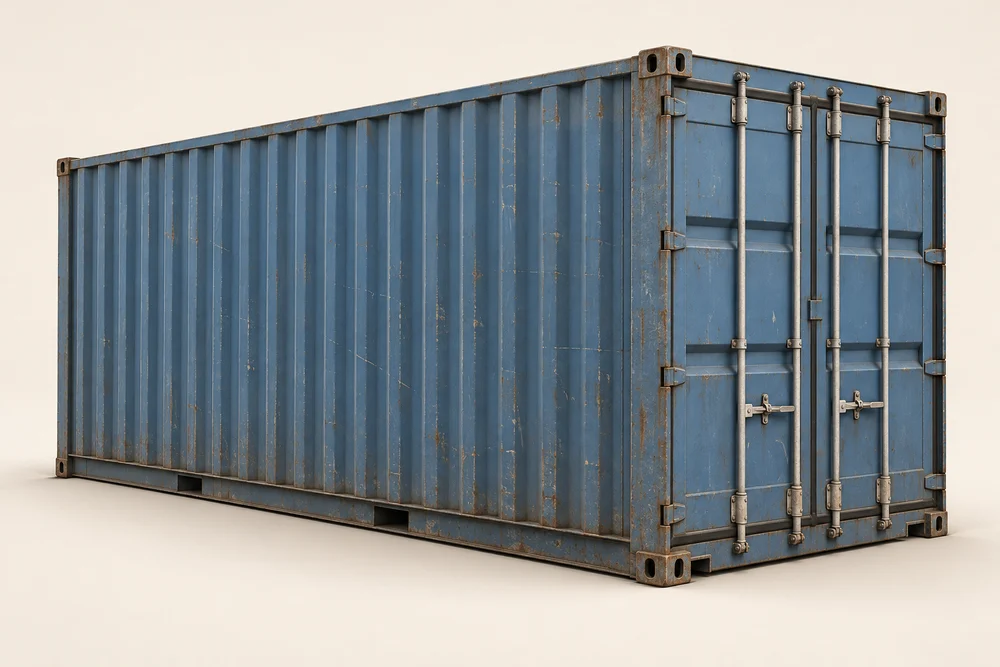
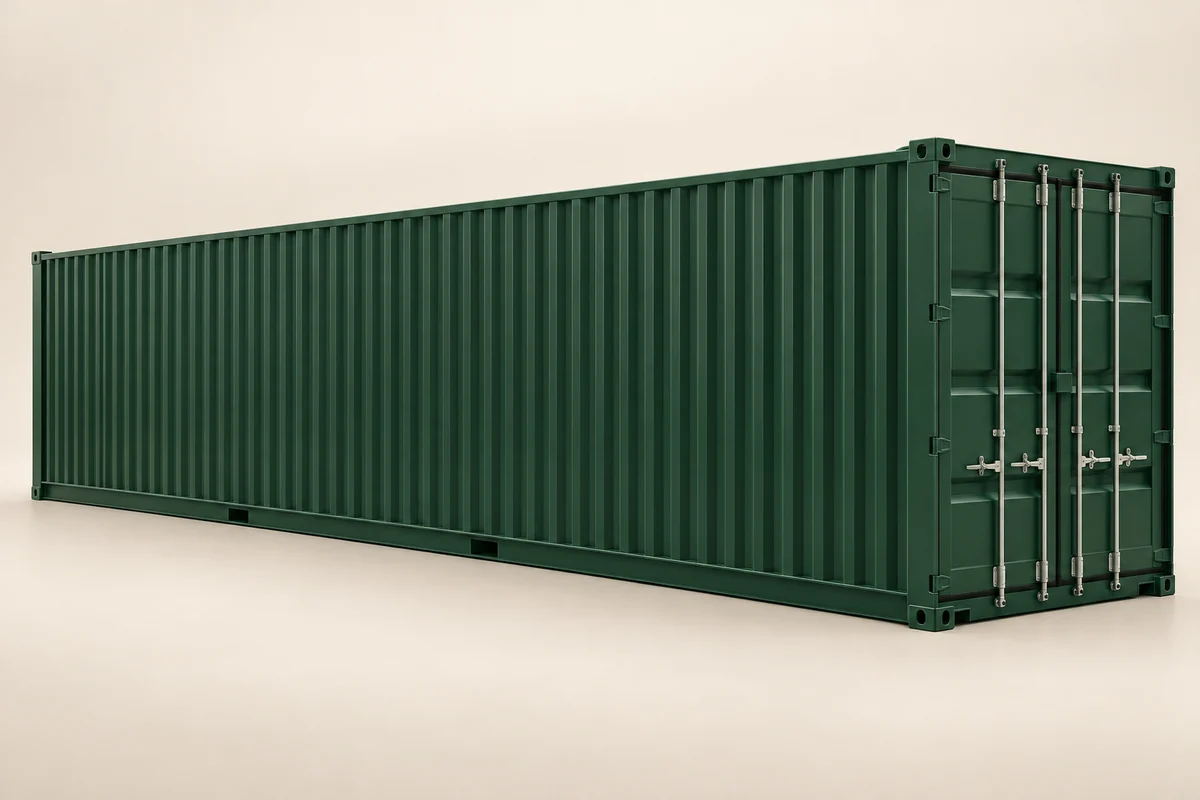
Photographs of the quoted unit are available on request, ahead of delivery.
A shipping container enquiry,
in three moves.
- 1
Describe the job
What goes inside, how often you open it, and whether you expect to buy, hire or modify.
- 2
Describe the site
Postcode, access, ground and the way you want the doors to face.
- 3
Read the quote
Check the unit, the delivery arrangements and anything being changed, then decide.
What do you need the shipping container to do?
Store things you already own
Tools, furniture, shop stock, farm gear or renovation leftovers all ask for different door habits. A container opened twice a year can sit further from the house than one opened every morning.
Cover a job that will finish
A build, a fit-out, a harvest or a lease that ends is often a hire conversation. If you cannot name an ending, a purchase may be the cleaner description of the same need.
Make the box match the work
Shelves, vents, another door, a lock box, a whirlybird, a roller door, a partition or paint are quoted per job. The modification page sets out how to describe that work.
Write the job down before you pick a length
People often start with a size because a 20ft or 40ft container is easy to picture. The size is the second question. The first is the list of things that must go inside, including the awkward one: the ride-on, the roller door from the old shed, the pallets that cannot be broken down, the archive boxes that hate damp air.
Then ask how a person will stand inside. A clear walkway, a shelf run and the swing of both doors all consume floor. A container that looks large on a plan can feel small once the loading path is left open. If you only need a short footprint, ask about a 10ft container as well. We confirm the measurements of the unit offered rather than asking you to guess from a brochure.
Access belongs in the same note. The truck is longer than the container, and it needs room to arrive, unload and leave. Gates, slopes, wet grass, low branches and the direction of the doors all change what is practical. Delivery planning is the checklist for that conversation, and how ordering works shows the order we follow.
Name the condition in the quote
New, often called single-trip, means a container that has usually carried cargo once. It can still show handling marks. Used containers have a working history: dents, faded paint, old markings and repairs may all be visible. Neither word tells you, on its own, whether the doors seal.
If the quote describes a unit as as-is, it is not sold as watertight. The wind and watertight check belongs with new, single-trip and cargo-worthy containers. Ask which of those words is being used for the unit in front of you, and ask what was looked at: roof, floor, door seals and the underside, not only the face that photographs well.
If you want to see the unit behind a quote, ask and current photographs can be sent ahead of delivery. Colour is a preference to confirm. Ask which shade is offered with the unit. White, cream, light grey, dark grey and dark green come up on newer units. Used containers are often grey, blue or green, and they vary.
Buy, hire, or say you are not sure
The quote form asks what you want to do: buy, hire, or not sure. That choice is there so a short job is not written up as a purchase, and a long-term shed is not written up as a hire, unless that is really what you want to compare.
Hire suits a need with an ending you can describe. Buying suits a need that will still be there after the job that prompted it. Modifications sit alongside either path when the standard doors, walls or layout will fight the way you work. Read the hire notes and the modification notes before you fill the form, especially if the site is tight or the container will be opened every day.
The form asks for a written quote. It does not reserve a shipping container or complete an order. The quote names the unit, the delivery arrangements and any modification being discussed. Availability is confirmed in that quote.
Questions people ask first
What should I tell you if I am unsure whether to buy or hire?
Say what the container has to hold, how often it will be opened, and whether the need has a finish date. Choose Not sure on the form. The written quote can then set out a purchase, a hire, or both ways of looking at the same job.
What does as-is mean for keeping water out?
An as-is unit is not sold as watertight. New, single-trip and cargo-worthy containers are the ones checked for wind and watertightness. The quote should name which description applies to the unit being discussed.
Can I change a container after I know how I will use it?
Shelving, vents, an extra door, a lock box, a whirlybird, a roller door, a partition or paint can be quoted as work on that job. Describe the use first so the change helps the way you load and open the container.
A kitchen renovation, as a worked example
Imagine a couple stripping a kitchen for eight weeks. The carcasses, the stone offcuts and the fridge have to live somewhere that is not the hallway. They open the store most evenings, the driveway is the only level ground, and the neighbour’s fence is close on one side. A 20ft container can work if both doors can still swing and the fridge goes in first, at the back, on a dry day. A 40ft container only helps if the truck can stand in the street without blocking the only turning point.
They do not yet know whether they will want the container gone when the kitchen is finished. That is a Not sure enquiry, not a guessed purchase. The message names the fridge height, the driveway length they actually taped, and the fact the doors must face the house rather than the fence. Photographs of the fence line do more work than any adjective. The quote that comes back should name the unit and the unloading method.
Let’s put it to good use.
Tell us the postcode. We’ll help you work out the rest.